
Exhibition Stall Materials Guide: Wood, MDF, Aluminium, Acrylic And More
What stalls are actually made of, what each material does well, and how to choose between wood, aluminium and the finishes that go on top.
By Expo Stalls Fabrication · Published 6 October 2026
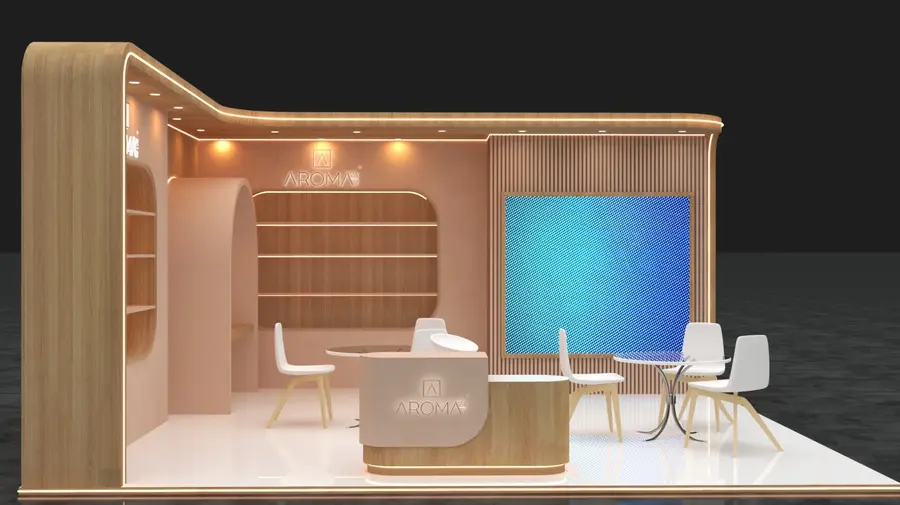
Most exhibition stalls combine a structural frame (wood or aluminium), surface panels (MDF, plywood, laminate or acrylic), graphics (printed vinyl, fabric or backlit panels) and lighting. The right mix depends on whether the stall is a one-off or reused, how heavy it can be, and what the organiser allows. Wood suits one-off custom builds, aluminium suits reusable systems, and finishes and lighting decide how premium it looks.
Structure: Wood Or Aluminium
Wood-based framing
Timber and board framing is the traditional route for custom stalls. It is easy to cut to unusual shapes, such as curves, tall fascias or built-in counters, and it takes paint and laminate well. The trade-off is weight and wear: heavy structures cost more to move, and repeated assembly can damage joints, so wood is usually best for stalls built for one show or a short run.
Aluminium framing
Aluminium extrusion systems are lighter, assemble quickly and are designed to be taken apart and reconfigured, which is why they underpin modular exhibition booths. We also build with recycled aluminium frames for exhibitors who want a reusable structure with a lower material footprint. The trade-off is less freedom for complex custom shapes.
Metalwork for larger spans
Taller stands, two-storey builds and long spans often need steel or aluminium trussing and fixings for strength, whatever the visible finish looks like.
Surfaces And Finishes
- MDF and plywood panels. Smooth, paintable and cost-effective for walls, counters and fascias. Board edges and joints need good finishing.
- Laminates and veneers. Add wood-grain, stone or solid-colour looks to panels and counters, and resist everyday wear better than paint.
- Paint and textured finishes. Flexible for brand colours, but show scuffs, so allow for touch-ups on site.
- Acrylic and glass-look panels. Used for shelving, logos and display cases where you want a clean, glossy effect. Check weight and fixing before choosing large panels.
- Flooring. Raised platforms, carpet tiles and laminate flooring change both the look and the cable routing. Confirm what the organiser provides.
Graphics And Lighting
Large-format printing on vinyl, fabric or rigid boards carries most of your branding, and printed backdrops are the quickest way to change a stall between shows. Lighting then sets the mood: integrated LED strips, spotlights on product shelves and backlit panels are fitted during fabrication so cables are hidden and the stall looks finished. For a see-through, high-impact look, our transparent LED mesh booths use display mesh that shows content while letting visitors see past it. More on graphics, signage and displays is on our exhibition branding page.
How To Choose
Choose Wood-Based When
- The stall is built for one show
- You want curves, tall fascias or built-in counters
- Painted or laminated finishes are central to the look
Choose Aluminium When
- You exhibit several times a year
- You need to reconfigure for different booth sizes
- Transport weight and setup speed matter
Whatever you choose, check the organiser's exhibitor manual first for height limits, fire and electrical requirements, flooring rules and weight limits. Material choice also moves the price: see the exhibition stall cost guide for how size, finish and lighting affect cost, and shell scheme vs custom exhibition stall if you are still deciding on format.
Safety, Weight And Organiser Rules
Material choice is limited by more than looks. Check these with the organiser before the design is final:
- Height and structure. Maximum stand height, and whether tall or two-storey structures need approval.
- Fire and electrical rules. Some venues set requirements for wiring, fixtures and materials used near lighting.
- Flooring. Rules on raised platforms, adhesives and how flooring is laid and removed.
- Weight limits. Hall floors, lifts and loading routes can limit how heavy components may be.
- Hanging and rigging. Many halls restrict what can be hung from ceilings or walls.
Ask for the exhibitor manual early and send it to your fabricator with the brief. Our exhibition stall design team works from these rules when preparing layouts.
Durability, Transport And Touch-Ups
A stall is assembled, moved and often reassembled, so how materials behave in transit matters. Laminates and painted panels can chip at edges, so good fabricators protect corners and carry touch-up materials. Heavy timber costs more to transport and needs more people on site. Aluminium systems pack flatter and go together faster. Glossy acrylic scratches easily and should travel in padded packing. Whatever you choose, ask how panels will be packed and who carries repair materials on move-in day, a point covered in our exhibition stall installation page.
Questions To Ask Your Fabricator About Materials
- Which materials are in the quote, and which finishes are upgrades?
- What is the structure made from, and can it be reused?
- How are panels protected during transport and installation?
- Is lighting built into the structure or added on site?
- What will you carry on site to repair scuffs or damage?
The answers also reveal how a fabricator works. A team that builds in-house can usually answer these precisely, as explained in in-house vs outsourced stall fabrication, and our fabricator scorecard turns the answers into a score.
Frequently Asked Questions
What materials are exhibition stalls made from?
Most combine a wood or aluminium frame with MDF, plywood, laminate or acrylic surface panels, printed graphics and integrated LED lighting.
Is wood or aluminium better for an exhibition stall?
Wood suits one-off custom stalls with complex shapes. Aluminium suits reusable, modular stalls that you assemble and reconfigure at several shows.
What is the cheapest material for an exhibition stall?
Painted MDF and plywood panels are generally the more economical surfaces, while premium laminates, veneers, acrylic and integrated screens cost more. Final price depends on size and finish.
Can I reuse stall materials after the show?
Aluminium and modular systems are designed to be reused. Custom wood builds can sometimes be partly reused, depending on how they were constructed.
Do organisers restrict stall materials?
Often yes. Organisers can set rules on height, flooring, electrics and fire safety. Check the exhibitor manual before finalising a design.
Not Sure Which Materials Suit Your Stall?
Tell us your show, booth size and whether you plan to reuse the stall, and we will recommend a build.