
8 Exhibition Stall Fabrication Mistakes (And How To Avoid Them)
Late artwork, missed organiser rules, price-only decisions: the eight mistakes that cause most stall problems, and how to avoid each one.
By Expo Stalls Fabrication · Published 6 October 2026
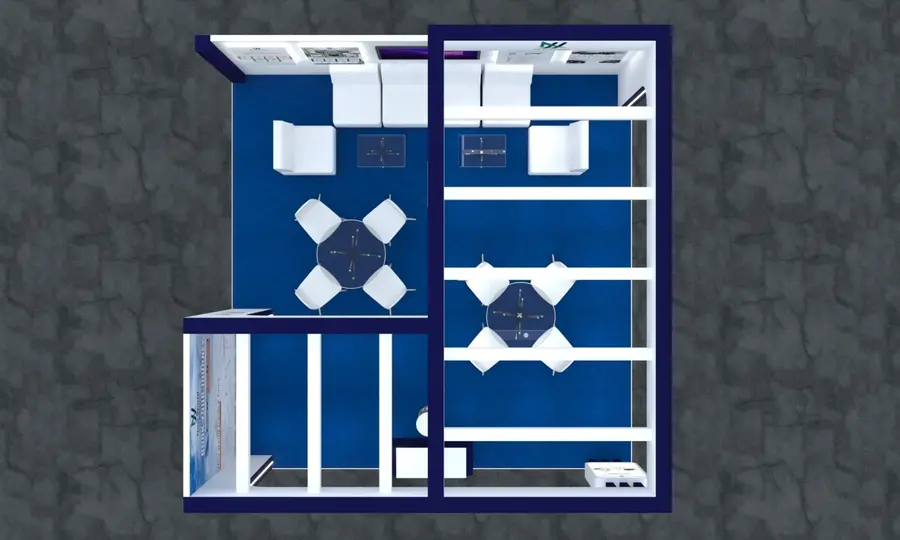
Most stall problems come from planning, not carpentry: artwork sent late, organiser rules missed, quotes compared on price alone and no allowance for installation. All eight mistakes below are avoidable if you decide the details before fabrication starts.
1. Sending artwork late
Printed graphics are the last thing fitted but often the first thing delayed. Send final, print-ready files as soon as the design is approved, not once the build is under way. Our exhibition stall checklist shows where artwork fits in the timeline.
2. Ignoring the exhibitor manual
Organisers set height limits, flooring, electrical, fire and weight rules. A stall designed without them may need expensive changes in the move-in window.
3. Choosing on price alone
A quote far below the others usually leaves something out, such as lighting, transport, installation or dismantling. Compare itemised quotes for the same specification using the fabricator scorecard.
4. Skipping the workshop dry-build
Assembling the stall once in the workshop catches errors before they reach the venue. Ask any fabricator whether it is included. Our process is described in how expo stall fabrication works.
5. Treating lighting and power as an afterthought
Lighting, screens and demo equipment need power points and hidden cabling designed into the stall. Adding them late is costly and rarely looks neat. Confirm venue-charged electricity with the organiser early.
6. Designing for looks and forgetting visitor flow
A beautiful stall that blocks the aisle or hides the products does not generate leads. Agree the floor plan first, then the finishes, as covered in exhibition stall design.
7. Forgetting transport, access and dismantling
Large panels need to fit through venue doors and lifts, and move-out windows are short. Confirm access times and who dismantles the stall before the show, not after. See our exhibition stall installation page.
8. Having no plan for reuse
If you exhibit several times a year, a one-off wood build can be an expensive habit. Consider a reusable system, such as recycled aluminium exhibition frames or modular booths, and compare the options in shell scheme vs custom exhibition stall.
The pattern behind every mistake above is the same: a decision made late. If you want a fabricator who builds in its own workshop and handles design, fabrication and installation as one team, see our exhibition stall fabrication service.
A Sign-Off List Before Fabrication Starts
Most of the eight mistakes can be caught with one meeting before the build begins. Do not give the go-ahead until you can tick every item:
- The final drawing and 3D render are approved in writing, and the quote matches them
- The organiser's height, flooring, electrical and fire rules have been checked against the design
- Print-ready artwork is supplied, or a firm date for it is agreed
- Lighting, screens, power points and cable routes are on the drawing
- The quote states what is included and excluded, including transport, installation and dismantling
- Dates for the dry-build, transport and move-in are agreed with names against each
- You know who to call on site and who is responsible for fixes
If You Have Already Made One
Mistakes are easier to fix early. If artwork is late, tell the fabricator now so printing can be scheduled around it, and avoid changing the design again. If you discover a rule problem after approval, ask for a revised drawing straight away, since a small change in the workshop is far cheaper than one on the show floor. If you have already accepted a vague quote, ask for it to be itemised and agree the exclusions in writing. The exhibition stall checklist shows where each task sits in the calendar so you can see how much time is left.
If you are comparing fabricators because of a problem on a previous stall, our guides on choosing an exhibition stall fabricator and in-house vs outsourced fabrication explain what to ask next time.
Frequently Asked Questions
What is the most common exhibition stall mistake?
Sending artwork and final details late. Delays usually come from approvals and artwork rather than the build itself.
How do I avoid hidden costs in a stall quote?
Ask for an itemised quote that states design, materials, graphics, lighting, flooring, transport, installation and dismantling, and which items are excluded.
Why does the exhibitor manual matter?
It sets rules on height, flooring, electrics and fire safety that your stall design must follow.
What is a dry-build?
A dry-build is assembling the stall once in the workshop before transport, so errors are fixed there instead of on the show floor.
When should I start planning to avoid these mistakes?
Allow at least 2 to 3 weeks before the show, and longer for large or complex stalls or peak exhibition months.
Want A Stall Without The Surprises?
Send your brief and we will quote against it, itemised, with design, build and installation in one scope.